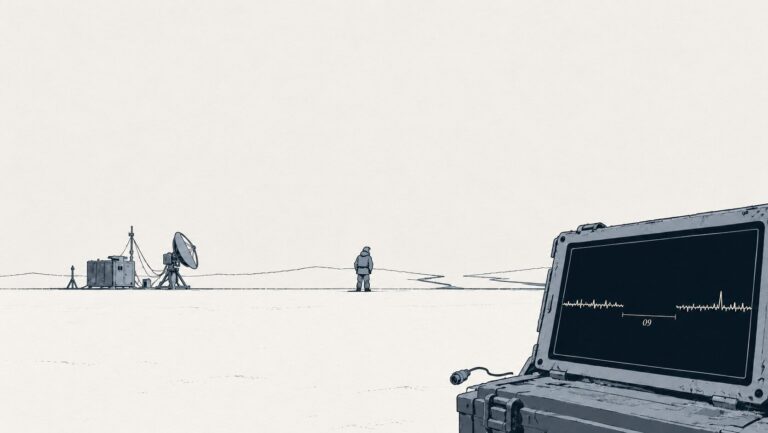
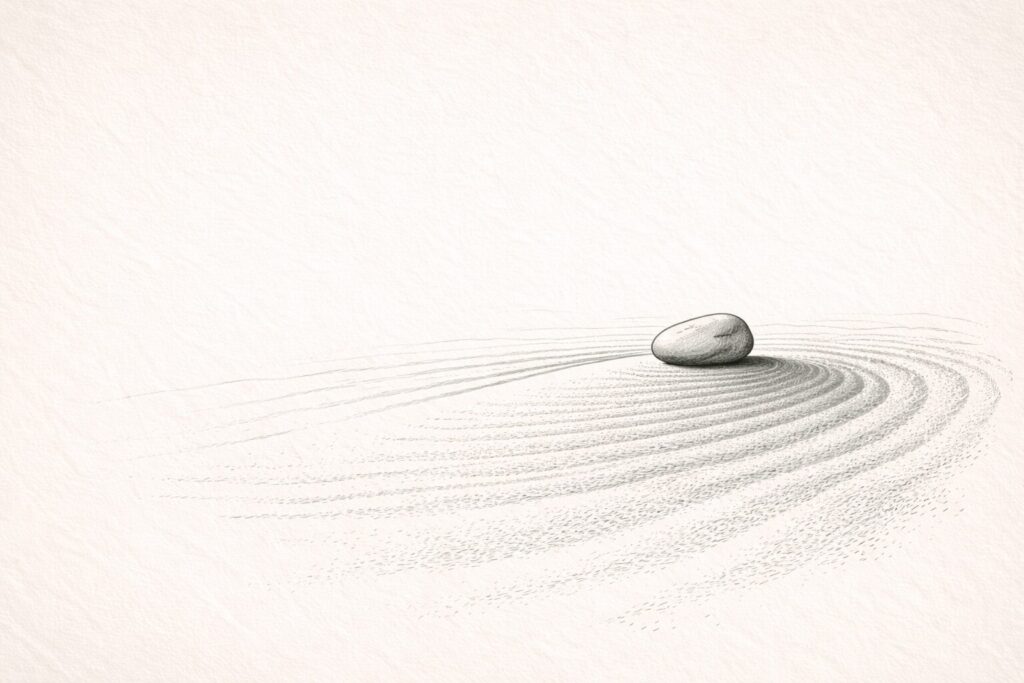
Minimalist art is often dismissed almost instantly. A wide empty surface, a few lines, sometimes a single color — many viewers register the image and move on, sensing that something essential is missing. The reaction arrives quickly, before attention has time to settle, and that speed shapes the judgment that follows.
What often feels absent isn’t meaning itself, but direction. Most people are used to being guided visually. In daily life, images rarely ask for patience. They explain themselves immediately, directing the eye with contrast, color, detail, and repetition. Minimalist art interrupts that habit by refusing to guide. The pause that follows can feel uncomfortable, and discomfort is often mistaken for emptiness. That first impression tends to linger, even though it misreads what is actually happening.
How Minimalist Art Trains Attention
Modern visual environments are dense by default. Screens, signage, packaging, apps, and interfaces compete constantly for attention. They signal importance loudly and repeatedly, leaving little ambiguity about where the eye should land or what matters most. Over time, attention adapts to this environment. It becomes efficient, reactive, and quick to move on.
Minimalist art disrupts that efficiency. When familiar signals disappear, attention slows. The viewer has to decide where to stand, what to look at, and how long to stay. The artwork does not perform for the eye or reward speed. Instead, it creates a situation rather than delivering a message. This shift isn’t dramatic, but it is noticeable. Without visual instructions, attention becomes deliberate instead of automatic. The work doesn’t rush to be understood. It waits.
What Changes When Information Is Removed
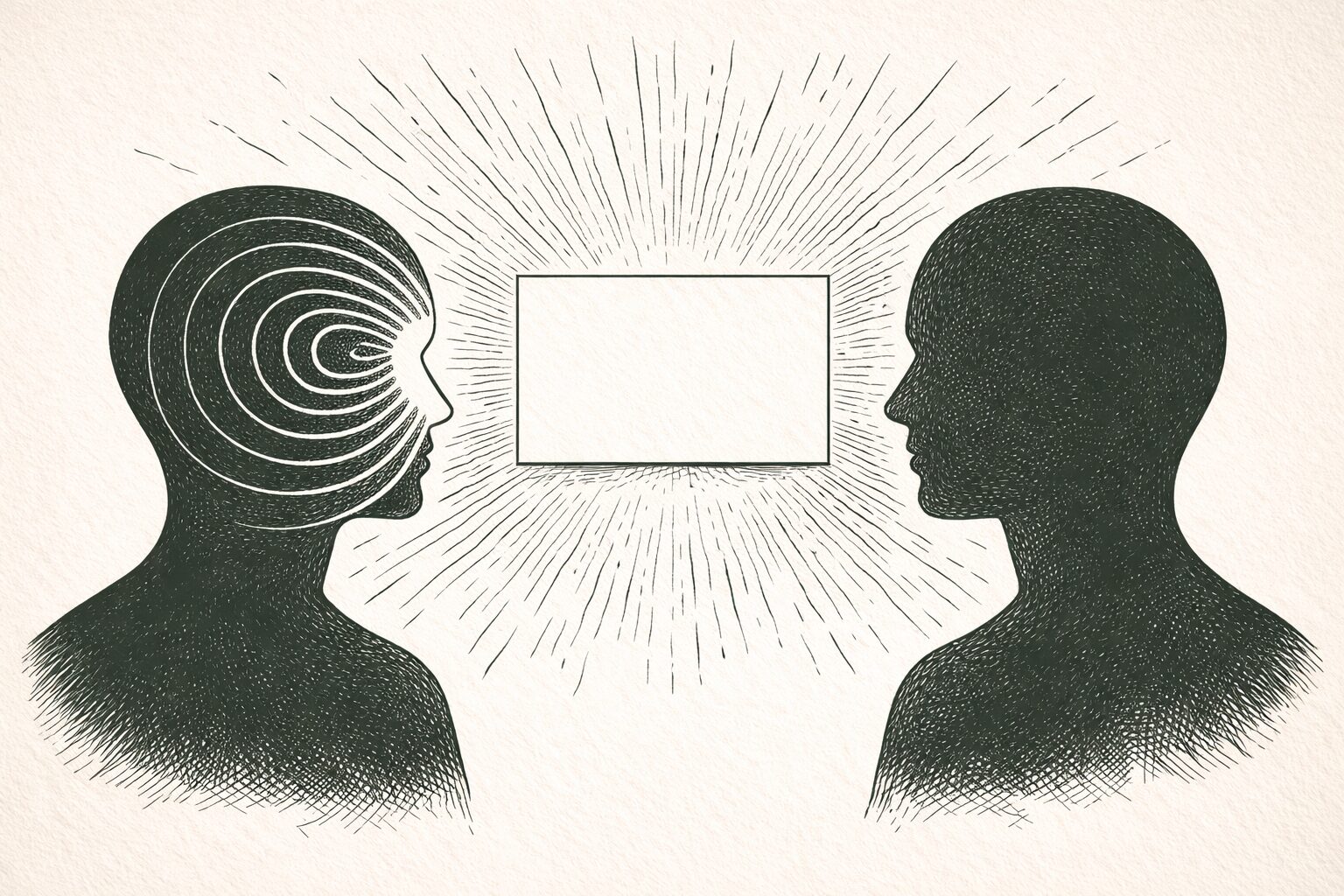
When visual information drops, the brain doesn’t disengage — it compensates. Studies on perception show that when fewer details are present, the mind begins scanning more carefully. It fills gaps, tests interpretations, and holds attention longer than expected. Meaning moves inward, assembled rather than delivered.
Minimalist art relies on this mechanism. By removing excess, it transfers part of the work to the viewer. The artwork no longer carries the entire burden of expression; it invites participation instead. This is where minimalism is often misunderstood. The absence of detail is read as a lack of effort, when it is actually a redistribution of effort. The viewer is no longer passive. Attention becomes active. Once noticed, this exchange begins to feel intentional rather than empty.
Why Minimalist Art Didn’t Fade With Trends
Minimalist art didn’t endure because it looked modern or rebellious. It endured because it aligned with something stable: how attention behaves when distraction falls away. That response isn’t tied to a movement or a decade. It’s structural.
As visual culture accelerated, the contrast grew sharper. Advertising became louder. Interfaces became more crowded. Objects accumulated features. Against that backdrop, restraint became more noticeable rather than less relevant. Minimalist works continued to function because they weren’t reacting to noise. They were offering relief from it. The style survived not because it chased relevance, but because it resisted saturation.
What lasted wasn’t the aesthetic — it was the effect.
When Absence Starts Feeling Precise
At some point, many viewers experience a subtle shift. What initially looked unfinished begins to feel deliberate. Empty space stops reading as lack and starts reading as choice. A single line feels placed rather than isolated. The question changes quietly: not why there is so little, but why the work feels complete despite it.
That realization doesn’t arrive through explanation or theory. It comes through exposure. Through time spent looking. Through noticing that nothing extra would improve the piece, and that adding more would actually weaken it. Minimalist art teaches this without instruction. It allows the viewer to arrive there on their own.
How Minimalism Moved From Art Into Objects
Over time, the logic of minimalism didn’t remain confined to galleries. It began to appear in objects, tools, and environments — often without being labeled as “art” at all. Design followed the same logic of reduction. Interfaces began removing visible controls. Products lost unnecessary buttons. Spaces emphasized light, proportion, and material rather than decoration.
The goal wasn’t emptiness, but clarity. What carried over wasn’t the look; it was the discipline. Minimalism in objects works when each element earns its place. When removal doesn’t feel like loss, but like alignment. When the absence of clutter makes interaction feel calmer, not colder. This shift didn’t happen all at once. It emerged gradually, through trial and rejection, as people noticed which designs stayed usable over time and which ones exhausted attention.
When Taste Begins to Change Quietly
For some people, minimalism remains an aesthetic preference. For others, it becomes a way of filtering decisions. Interfaces that over-explain begin to feel tiring. Objects that perform too much start to feel intrusive. Spaces that demand attention rather than support it become uncomfortable — not because they are wrong, but because they are loud.
Minimalist art doesn’t argue against these things. It reveals them by contrast. Once someone becomes comfortable with restraint, excess becomes harder to ignore. Taste shifts quietly, not toward emptiness, but toward intention. Toward choosing what earns its place and allowing the rest to remain absent. This change rarely announces itself. It shows up gradually — in what feels necessary, in what feels distracting, and in what no longer feels worth keeping.
When an Idea Becomes Something You Carry
Ideas shaped by restraint don’t always stay abstract. Sometimes they take physical form quietly — not as decoration, not as statement, but as objects shaped by the same logic of reduction and purpose. Things that don’t explain themselves, yet feel coherent when encountered. Things that make sense without needing justification.
When that happens, the object doesn’t feel like merchandise. It feels consistent with the way of seeing that produced it. Not something added, but something that belongs. Ownership, in this case, isn’t about display. It’s about alignment. The object becomes a reminder of a preference already formed, rather than a signal meant for others.
Why Minimalist Art Still Matters
Minimalist art still matters because it meets attention at a slower pace than most images allow. Where many visuals explain themselves immediately, minimalism leaves space before meaning arrives. That space changes how looking feels. Instead of reacting, the viewer settles. Instead of scanning, they stay.
As time passes, something subtle happens. What once seemed empty begins to feel balanced. The absence of detail stops feeling like a lack and starts feeling like a choice. The work doesn’t ask to be understood quickly — it becomes clearer only through presence.
Minimalist art still matters because it proves that less isn’t missing — it’s enough.