Linkin Park 2000 — say it out loud and it sounds like a timestamp.1 But for fans and deep-digging listeners, it’s a myth. A glitch in the system. The year Linkin Park surfaced, yet somehow remained hidden. While the rest of the world was busy dancing to polished pop hits and watching the rise of nu-metal, something raw and electric was unraveling behind studio doors in California.
Whispers of demos and rough recordings began to circulate. There was an energy so volatile, it almost escaped the confines of the studio. The band wasn’t famous yet, and their sound wasn’t polished, but the pieces were falling into place — a moment in time that would later evolve into something iconic.
Linkin Park 2000 Demos: The Unheard Sound Before the Storm
Before they became a household name, Linkin Park was a storm waiting to happen. In early 2000, they were still known as a band with no major label backing, just raw talent and a vision nobody could quite put into a box.
They spent those months experimenting with sound. The fusion of hip-hop, electronic beats, distorted guitars, and aching lyrics didn’t fit any known genre. Yet somehow, it worked.
Mike Shinoda once mentioned in an interview that the early demos were “like transmissions from another world.” The band recorded dozens of tracks, each rougher and more intense than the last. Some of them never made it to the final cut of Hybrid Theory. Others morphed completely by the time the album dropped.
These weren’t just early versions — they were alternate realities of the Linkin Park we know.
The Warehouse Sessions
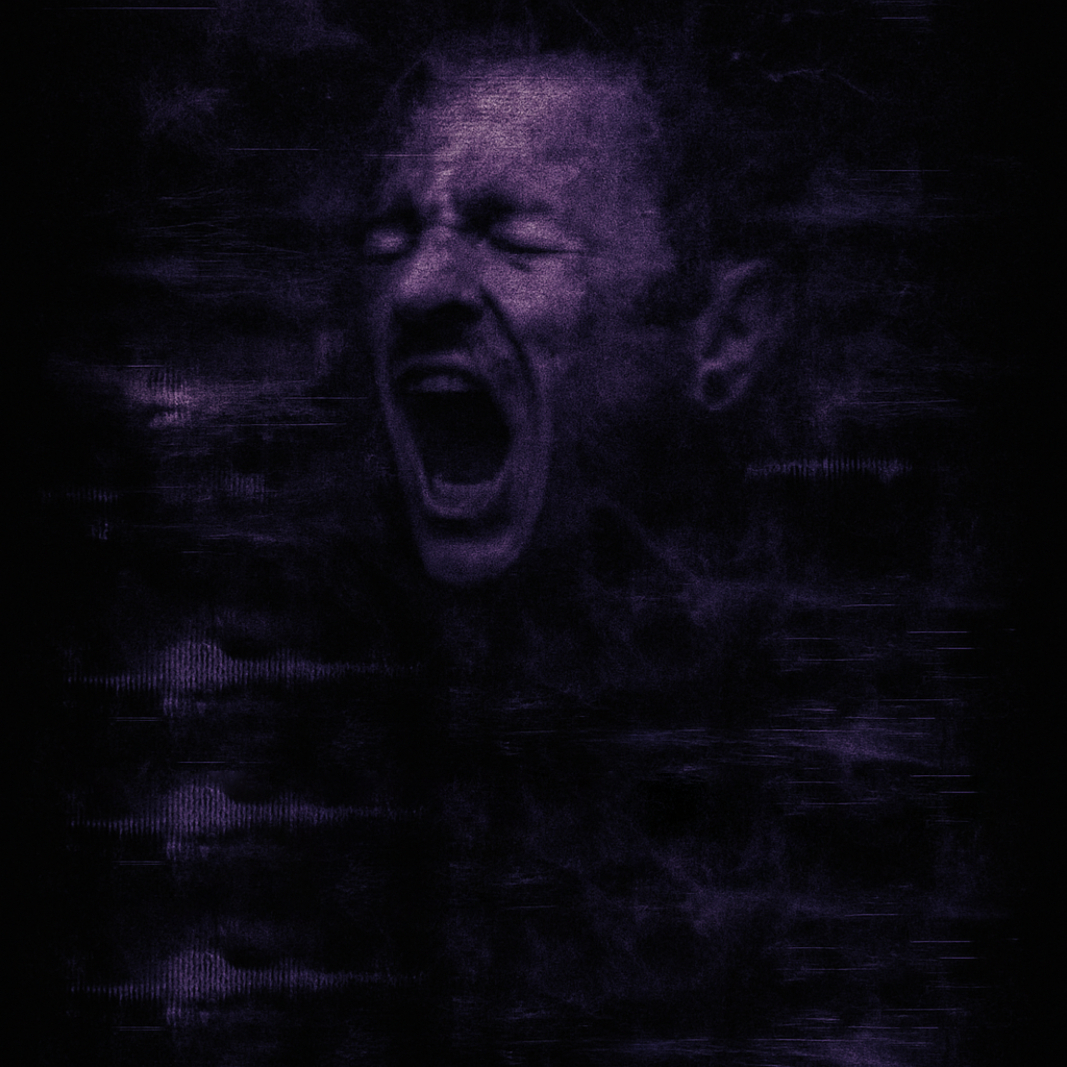
There’s a little-known story among hardcore fans — a night in a rented warehouse just outside of Glendale. It wasn’t a recording session, not in the traditional sense. It was more like a pressure release. The band had been grinding through demos for weeks, frustration mounting, visions clashing.
Chester, they say, showed up late — tired but burning. He didn’t speak. He just walked in, stepped to the mic, and started screaming.
No lyrics. No structure. Just feeling.
What followed was a freestyle jam that lasted over an hour. Brad’s guitar cried. Joe Hahn looped noise through an old MPC. Mike’s verses bled into distorted static. And through it all, Chester’s voice cut through like broken glass.
None of it was ever released. But some say you can hear echoes of that night in A Place for My Head — in the breakdown, the screams, the chaos within the calm.
Check This Out While the Mystery Unfolds…
🎧 We turned this vibe into something you can wear.
Check out our exclusive Mystic Merch – made for fans who chase the hidden frequencies.
🎸 Designed for fans who love stories, not just songs
🕶️ Inspired by rock legends and the raw emotion of the 2000s
🌬️ For those who want to wear the legacy of a generation
👉 Shop Now and Carry the Legacy
The Phantom Album: What Happened to the Early Tracks?
One of the strangest parts of the Linkin Park 2000 mystery lies in what went missing.
Some fans claim to have heard demo versions of Papercut, Crawling, and One Step Closer that sound completely different from the final cuts. Grittier. Less structured. More like controlled chaos.
These tracks reportedly circulated briefly in underground forums before vanishing. Hybrid Theory Demos Archive Others say they’re locked away in some Warner Bros. archive, never to be released.
Why were they hidden? Were they too raw? Or did Linkin Park intentionally bury these songs to protect their final image?
We may never know. But the idea that a darker, more unfiltered Hybrid Theory exists out there continues to haunt longtime fans.
The Day They Almost Quit: The Turning Point for Linkin Park’s 2000 Demos
There was a moment in mid-2000, right before everything clicked — when it almost all fell apart.
Chester was struggling to fit into the old material. Mike was defending the hybrid sound they’d built. The label was losing interest. The band was tired. Too many rewrites. Endless rejections. “Maybe next week” became a phrase that haunted their voicemail.
According to a crew member, Chester once walked out after a long day of demo takes. He didn’t say goodbye. Just got in his car and drove. The band sat in silence, thinking it might be over.
But the next morning, he came back with coffee and a worn-out notebook full of lyrics.
“Let’s get this out of our heads,” he said. “Let’s make it bleed.”
That was the day Points of Authority took shape.
How Linkin Park 2000 Demos Shaped the Sound of Hybrid Theory
Even with the confusion surrounding the missing demos, 2000 still marked Linkin Park’s launchpad.
When Hybrid Theory finally dropped in October of that year, it didn’t just chart — it exploded. The world latched on to Chester Bennington’s tortured vocals, Mike Shinoda’s razor-sharp rhymes, and the sonic friction that bound them.
But here’s the thing: Hybrid Theory didn’t arrive out of nowhere. It came from a year of chaos, creativity, and quiet reinvention.
What we heard in 2000 was just one side of the storm. The other side? Lost in static.
What If We Heard All the Lost Linkin Park 2000 Demos?
The enigma surrounding Linkin Park 2000 raises a question that still lingers with fans: what would the world have sounded like if we got the original Hybrid Theory?
Would it have hit harder? Been rejected? Changed the course of rock music even more?
Maybe it’s better this way. Maybe the legend of the missing demos is what gives them power. In a world that over-shares, this era of Linkin Park remains one of the last true musical mysteries.
In the end, not every story needs a full stop. Some are better left as echoes — fragments of truth that vibrate just under the surface.
And maybe that’s what Linkin Park gave us in 2000.
Not just an album — but a signal we’re still trying to decode.